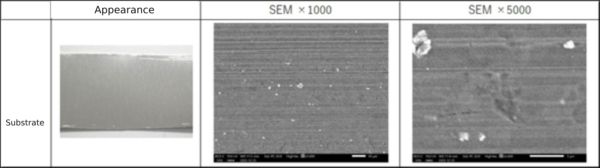
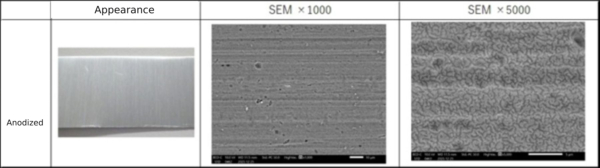
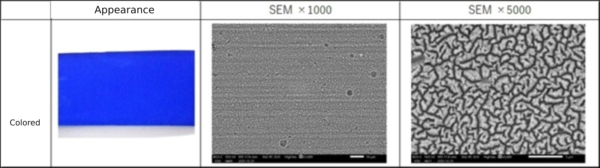
Color anodizing is a process that electrochemically forms a durable oxide layer on the surface of aluminum. Dyes or metal species are then introduced into the microscopic pores of this layer to produce color.
The treatment gives aluminum an attractive appearance while improving its resistance to scratches and corrosion. Because it combines visual appeal with functional performance, color anodizing is used in a wide range of products.
1 Degreasing
Surface contamination is removed to expose a clean surface.
2 Anodizing
The aluminum is immersed in an electrolyte, such as a sulfuric acid solution, and an electric current is applied to form an oxide layer with microscopic pores.
3 Coloring
Dyes or metal species are introduced into the pores of the oxide layer to produce color through dyeing or electrolytic coloring.
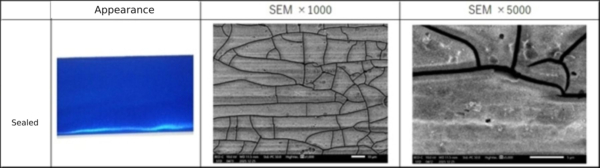
4 Sealing
The pores in the oxide layer are sealed to prevent color loss and further improve corrosion resistance.
Features of Color Anodizing
High Corrosion Resistance
Anodizing increases the thickness of the oxide layer and improves corrosion resistance. It protects aluminum against corrosion and is also suitable for outdoor use.
High Surface Hardness
The surface becomes harder and more resistant to scratches, helping it retain an attractive appearance over time.
Retention of Aluminum Properties
Aluminum retains its inherent light weight and strength. However, the oxide layer is electrically insulating, so electrical conductivity at the surface is reduced.
A Variety of Colors and Textures
A wide range of colors can be produced using suitable dyes. Roughening or polishing the surface before treatment can also change the gloss and texture of the finish.
Durable Color
Unlike paint, the color is incorporated within the oxide layer, making it resistant to removal and providing a durable finish. Aluminum can also be colored while retaining its distinctive metallic luster.
Precision Equipment Components. Color anodizing is used for components that require an attractive appearance and durability, such as camera housings and lens rings.
Aircraft and Automotive Components. The treatment improves corrosion resistance while taking advantage of the light weight and high strength of aluminum.
Architectural Materials. It is used for exterior panels, window frames, and other components that require weather resistance in outdoor environments.
Industrial Design Products. Color anodizing is well suited to products such as audio equipment, where an attractive finish that retains the metallic texture is desired.
Color anodizing produces a variety of colors on aluminum while retaining its distinctive metallic appearance. The anodized layer is durable, hard, and resistant to scratches. By combining visual appeal with functional performance, the process serves products in a wide range of fields.
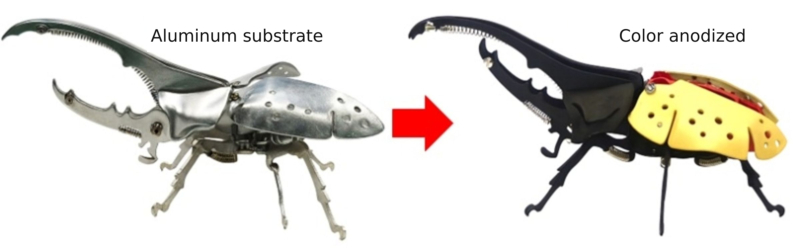
The examples below are Gakken metal kits depicting a Hercules beetle and a giraffe stag beetle, finished using color anodizing. Their vivid colors create a striking appearance.